



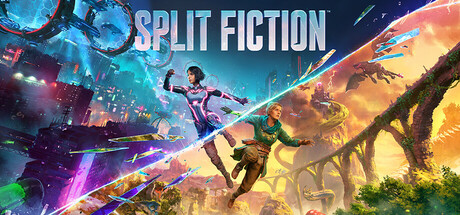
Split Fiction is a topic that could refer to a storytelling style, a music project, a book concept, or a creative technique—but as of 2025, the term Split Fiction doesn’t refer to one widely known, single product or brand. Instead, it can describe a way of creating stories (or media) that feels emotional, divided, or shared from different viewpoints.
This long article explains what split fiction means, how it works, why it’s used, and how you can enjoy or create it—all in simple, easy English. Whether you’re a writer, reader, student, or creative thinker, this guide covers everything you need to know about split fiction.
1. What Is Split Fiction?
Split Fiction is a style of storytelling where a narrative is divided, shared, or broken into different parts. Instead of one smooth, straight story, it’s told from different angles or fragments that come together to create a full picture.
Imagine a story told:
- From two characters’ viewpoints
- In alternating chapters
- Across parallel timelines
- Through multiple media (text, audio, video)
That is split fiction — a way to tell a story in pieces that connect.
2. Why Is It Called Split Fiction?
The name comes from two simple words:
- Split = broken into parts
- Fiction = made‑up stories
Together they mean a story that’s broken up or split into parts, sections, or viewpoints.
3. Split Fiction vs. Traditional Fiction
Traditional Fiction
In normal stories:
- One narrator
- One timeline
- Linear flow from start to finish
Example:
She woke up. She walked to the store. She found an answer.
Split Fiction
In split fiction:
- Multiple narrators
- Split timelines
- Parallel or contrasting sections
Example:
Scene A: He remembers.
Scene B: She waits.
Scene C: They don’t yet know…
Split fiction can feel more like a puzzle that readers put together.
4. How Split Fiction Works
Split fiction can be structured in many ways:
4.1 Multiple Viewpoints
A story may switch between characters:
- Chapter 1: Sarah’s perspective
- Chapter 2: Tom’s perspective
- Chapter 3: Future version
Each character tells part of the truth — the full story only appears when you read all parts.
4.2 Parallel Timelines
Two or more storylines happen at the same time, but in different places or times:
- Past timeline
- Present day
- Future or alternate reality
Each timeline connects slowly and reveals the whole picture.
4.3 Fragmented Storytelling
Instead of chronological order:
- Story jumps scenes
- Flashbacks and flash‑forwards
- Pieces stitched together
The reader learns the meaning through connecting fragments.
4.4 Mixed Media
In some split fiction, the story is told through:
- Written text
- Emails
- Notes
- Audio messages
- Character journals
This makes the story feel like a real mystery to uncover.
5. Why Creators Use Split Fiction
Authors and creators may choose split fiction because:
5.1 More Emotional Depth
Different characters share feelings and thoughts, adding layers to the story.
5.2 Stronger Connections
Readers connect with multiple characters, not just one.
5.3 Mystery and Engagement
Pieces of the story become puzzles — more engaging than linear plots.
5.4 Realism
Life doesn’t always follow one straight timeline. Split fiction mimics real complex experiences.
6. Examples of Split Fiction Elements
Split fiction can appear in many formats.
6.1 Books
Some novels use split fiction naturally:
- Alternating chapters
- Different character viewpoints
- Letters or diary entries
6.2 Movies
Films may:
- Show past and present simultaneously
- Use voiceovers for each character
- Crosscut between storylines
6.3 TV Series
Many TV shows divide narratives across:
- Different characters’ lives
- Multiple settings
6.4 Audio Stories
Podcasts or narrated fiction can shift voices and timelines.
7. Split Fiction in Famous Stories (Simple Examples)
7.1 Parallel Characters
A story might follow:
- Two friends in different cities
- Parallel experiences
Each part adds meaning to the whole.
7.2 Time Shift
A young version and adult version tell their side of the same events.
8. How to Write Split Fiction (Step by Step)
If you want to write your own split fiction, here’s a simple guide.
8.1 Step 1: Choose Your Characters
Pick two or more characters with:
- Different goals or emotions
- Contrasting lives or experiences
8.2 Step 2: Decide Narrative Structure
You can split by:
- Time (past/present/future)
- Character viewpoint
- Location
- Media type (text/audio)
8.3 Step 3: Write Each Part Separately
Write short scenes from each character’s view.
Example:
- Red chapter: Anna’s thoughts
- Blue chapter: Sam’s memories
8.4 Step 4: Make Connections Clear
Even if scenes seem separate at first, eventually link them through:
- Shared events
- Emotional connections
- Puzzle pieces that fit
8.5 Step 5: Reveal Secrets Slowly
Don’t tell everything at once. Reveal key parts gradually to keep readers curious.
9. Tips for Good Split Fiction Writing
9.1 Keep Voices Different
Each character should sound unique.
9.2 Use Clear Transitions
Use headers like:
- “Anna”
- “June, 1998”
- “3 Days After”
This helps readers know where they are.
9.3 Plan the Whole Story First
Know where the story ends before you write. Split fiction needs planning.
9.4 Read Aloud
Reading out loud helps ensure each character’s voice is distinct.
10. Benefits of Split Fiction for Readers
Readers enjoy split fiction because it:
- Challenges the mind (like a puzzle)
- Has multiple characters
- Feels deeper than one viewpoint
- Makes endings more surprising
- Offers emotional variety
11. Challenges of Split Fiction
Split fiction can be harder to write and read because:
11.1 Confusion
If transitions are unclear, readers may get lost.
11.2 More Planning Needed
You must carefully design how each part fits the whole story.
11.3 Many Characters
Too many voices can be confusing without a clear system.
Despite these challenges, when done well, split fiction feels rich and rewarding.
12. Split Fiction in Modern Storytelling
Split fiction has become more common in:
- Online story platforms
- Podcasts
- Serial novels
- Interactive stories
- Community shared universes
Creators experiment with formats beyond traditional books.
13. Split Fiction and Emotional Impact
Because split fiction shows events from different angles, readers understand:
- A character’s hidden pain
- Different reactions to the same event
- How people change over time
This deepens empathy and makes the story feel real.
14. How Audiences Connect With Split Fiction
Readers often discuss split fiction online because:
- It encourages community puzzling
- Readers share theories
- People connect scenes and meaning together
- It stays in memory longer
Fans create conversations and analyses around split fiction stories.
15. Split Fiction in Interactive Media
In modern digital media, split fiction appears in:
- Web storytelling apps
- Visual novels
- Interactive experiences
- Social media series
These formats use split narratives in creative ways.
16. How Split Fiction Helps Writers Grow
Writing split fiction teaches:
- Multiple perspectives
- Advanced planning
- Voice differentiation
- Structural control
- Patience and editing skill
It’s a great training format for serious writers.
17. Split Fiction in Cultural Storytelling
Many cultures use split storytelling:
- Traditional myths
- Hero journeys told from many angles
- Oral histories with multiple voices
Split fiction resonates with natural human storytelling.
18. Common Split Fiction Patterns
18.1 Alternating Chapters
Each chapter switches viewpoint.
Example:
- Anna
- Sam
- Anna
- Sam
18.2 Time Jumping
Scenes shift from:
- Past
- Present
- Future
18.3 Parallel Plot Lines
Two stories happen at the same time but connect later.
19. Mistakes to Avoid in Split Fiction
❌ Too many viewpoints
❌ Vague transitions
❌ No clear connection
❌ Random chronology
❌ Weak character voices
Strong split fiction avoids confusion and keeps readers engaged.
20. Why Split Fiction Is Important in 2025
In the modern era, people:
- Want interactive and layered stories
- Enjoy storytelling beyond one voice
- Appreciate emotional depth
- Like media that challenges the mind
Split fiction answers these trends.
21. Final Thoughts
Split fiction is not just a genre — it’s a storytelling approach that adds depth, emotion, and complexity. Whether in books, movies, games, podcasts, or online serials, split fiction shows us that multiple angles can make a richer whole.
Summary
- Split fiction = divided or multi‑viewpoint stories
- Good for emotion, mystery, and engagement
- Requires planning and clarity
- Works in many formats
- Popular with modern audiences
Even though it can be challenging, split fiction remains one of the most creative and dynamic ways to tell stories in 2025 and beyond.
